
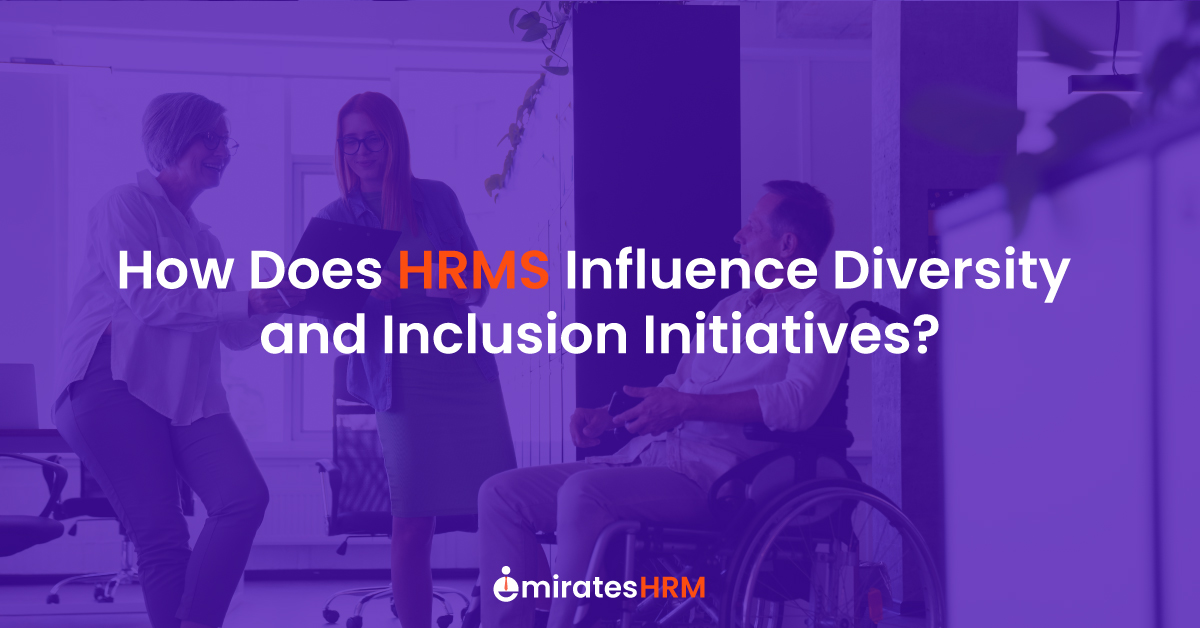
How Does HRMS Influence Diversity and Inclusion Initiatives?
Why Diversity and Inclusion Need HRMS Today
Every company talks about Diversity and Inclusion today, but the real question is, how do we actually make it happen in daily work life? It is not just about hiring people from diverse backgrounds; it is about ensuring that everyone feels respected, valued, and has equal opportunities to grow. That is where technology, especially an HRMS, comes in. With HRMS diversity and inclusion features, businesses can move beyond promises and start creating workplaces that truly celebrate differences.
Imagine a system that helps you spot hidden gaps in promotions, highlights pay disparities, or even makes recruitment bias-free. That is precisely what HR software for diversity and inclusion is designed to do. It turns data into insights and insights into action. With the help of diversity analytics in HRMS, leaders can identify areas for improvement and take prompt action. When paired with inclusive workplace technology, it builds a culture where no voice is ignored.
The growing demand for fairness has also made HRMS for equity initiatives a necessity. Whether it is tracking who gets access to training programs or who gets promoted, an HRMS ensures the process is fair. By measuring diversity metrics, HR management can finally hold businesses accountable. With the rise of bias-free HR software, organizations are demonstrating that technology can indeed remove barriers that once seemed impossible to overcome.
In this blog, we’ll take a deep look at how HRMS is changing the future of Diversity and Inclusion, why it matters, and how every business can benefit from adopting these tools.
HRMS Diversity and Inclusion – From Policy to Practice
Most organizations have policies in place regarding equality, but policies alone don’t create change. What drives change is data. HRMS diversity and inclusion tools allow businesses to go beyond words and actually track representation across all departments. They reveal patterns that managers may not even notice, such as certain teams having fewer women in leadership roles or specific roles lacking diversity. Once identified, these gaps can be fixed through intentional hiring and fair promotion strategies.
HR Software for Diversity and Inclusion – The Heart of Fair Hiring
Hiring is often where unconscious bias sneaks in. That’s why HR software for diversity and inclusion is becoming essential. It helps remove biased language from job ads, anonymizes resumes, and ensures candidates are judged based on skills, not background. Suppose two candidates are applying for the same role: one from a well-known university and the other from a smaller local college. Traditional systems may unconsciously favour the first, but with innovative HR software, the focus shifts to actual talent and capability. This small change creates significant results in building fairer teams.
Diversity Analytics HRMS – Turning Numbers into Stories
Data is powerful, but only when it tells a story. Diversity analytics HRMS takes raw numbers and shows real-life challenges. It can reveal if women are dropping out at higher rates than men, or if certain ethnic groups are not represented in leadership. These insights are important because they provide leaders with a clear understanding of what needs to be addressed. Without such analytics, companies are left to guess. With it, they can make informed, impactful decisions that lead to lasting change.
Inclusive Workplace Technology – Giving Every Voice a Platform
An inclusive culture is not only about hiring people; it’s about ensuring they feel a sense of belonging. That’s where inclusive workplace technology comes in. Consider features such as multilingual employee portals, accessibility tools for individuals with disabilities, or anonymous feedback systems that enable employees to speak up without fear. These technologies empower employees to share their thoughts openly and freely. When voices are heard, employees feel respected, and that is the foundation of a truly inclusive workplace.
HRMS for Equity Initiatives – Making Growth Opportunities Fair
Diversity is about getting people in the door; equity is about ensuring they thrive once they are inside. HRMS for equity initiatives ensures equal access to training, mentoring, and career advancement opportunities through promotions. For example, if a company notices that most leadership training slots are allocated to one group, HRMS data can identify the imbalance. Leaders can then adjust programs to ensure fairness and equity. This keeps talented people engaged, motivated, and loyal to the company.
Diversity Metrics HR Management – Measuring What Really Matters
It’s often said, “What gets measured gets managed.” The same is true for diversity metrics in HR management. When companies track representation, pay equity, and promotion rates, they no longer rely on assumptions. These metrics show where progress is being made and where improvement is still needed. By regularly reviewing these numbers, organizations hold themselves accountable and demonstrate their commitment to Diversity and Inclusion, proving that it is more than just words.
Bias Free HR Software – Reducing Hidden Barriers
Bias can creep into any process, from recruitment to performance reviews. Bias-free HR software uses AI and automation to reduce these blind spots. For example, it can highlight if one manager consistently scores employees from certain groups lower, or if job descriptions contain language that unintentionally discourages certain applicants. By removing these barriers, companies create a level playing field, allowing all participants to compete on a fair basis. This not only benefits employees but also enhances company performance, as fair processes consistently yield stronger results.
Why HRMS Diversity and Inclusion Matters
The impact of Diversity and inclusion extends beyond mere numbers. Diverse teams are more creative, solve problems more efficiently, and better understand customer needs. Employees in inclusive workplaces feel happier and stay longer. With the help of HRMS diversity and inclusion features, companies can build such cultures with confidence.
Investing in HR software for diversity and inclusion also sends a strong message to the outside world that the company cares about fairness and equality. In a world where reputation matters, this can be the difference between attracting top talent and losing them to a competitor.
The Future of Diversity Analytics HRMS and Inclusive Workplace Technology
Looking ahead, diversity analytics HRMS will become even smarter. Instead of just showing gaps, it will predict future challenges, like which teams are at risk of becoming less diverse. At the same time, inclusive workplace technology will evolve to offer more personalized experiences, making sure every employee feels supported in the way that suits them best. The rise of bias-free HR software, powered by artificial intelligence, will continue to push organizations toward fairer and more transparent decisions.
Building a Culture of Fairness With HRMS
Multiplicity and Inclusion are no longer optional; it is essential. However, achieving it requires more than passion; it requires tools that can make fairness an integral part of daily business. From recruitment to promotions, from training to engagement, HRMS is shaping a future where equity is not just a goal but a reality.
By adopting HRMS diversity and inclusion systems, utilizing HR software for multiplicity and inclusion, leveraging diversity analytics within HRMS, and committing to HRMS for equity initiatives, companies can transform their approach to treating their people. With diversity metrics, HR management, and bias-free HR software, fairness becomes measurable, and with inclusive workplace technology, belonging becomes a tangible reality.
Now is the moment for businesses to act. Technology is here to help, but the choice to build a fair and inclusive culture begins with leaders. When businesses invest in HRMS for multiplicity and inclusion, they are not just building stronger companies; they are creating better futures for everyone.
At Emirates HRM, we help organizations harness technology to build inclusive, equitable, and bias-free workplaces. Connect with us today and discover how our HRMS can drive your multiplicity and inclusion initiatives forward.
No comments yet. Be the first to share your thoughts!